

Destinations
Socotra Travel Guide 2025: Yemen’s Hidden Island of Adventure
Far off the radar of typical travelers lies one of the world’s most isolated and otherworldly islands: Socotra. Located in the Arabian Sea and part of Yemen, Socotra is a land of untouched nature, alien-like plants, vast dunes, limestone caves, and an atmosphere so surreal it feels like another planet. This is not your average beach getaway — it’s a true adventure.
Why Visit Socotra?
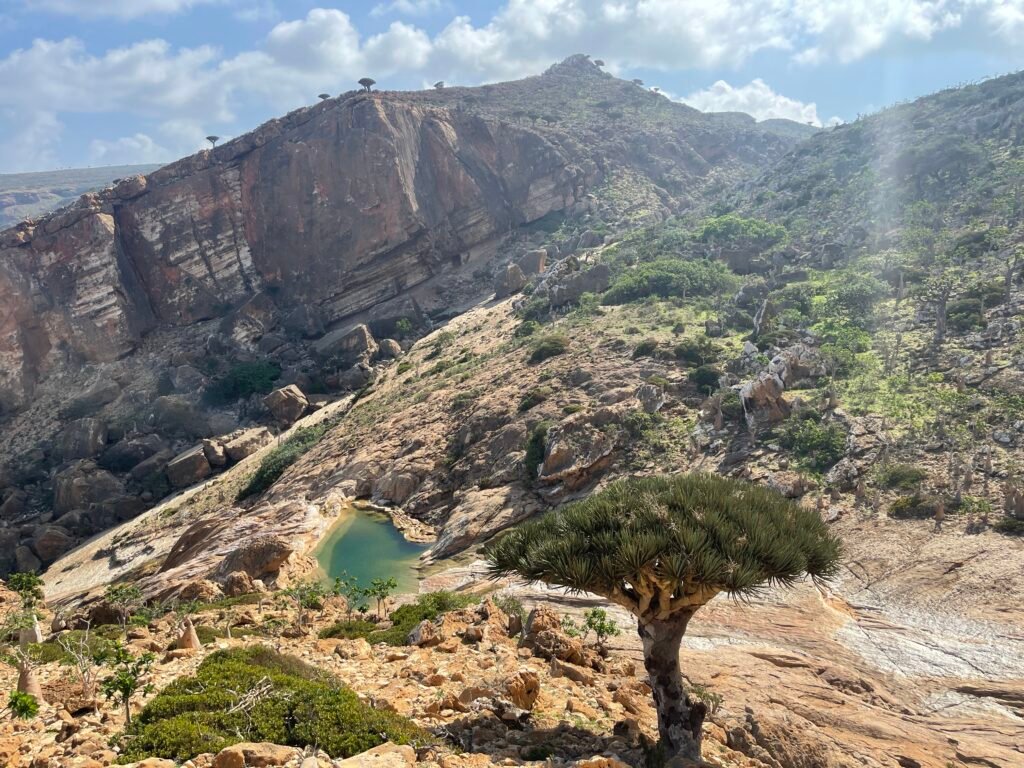
Socotra is famous for its biodiversity. Nearly 40% of the plant species found here exist nowhere else on Earth. The most iconic of these is the dragon blood tree — an umbrella-shaped tree that bleeds red sap and looks like it belongs in a science fiction movie. Add in pristine beaches, rolling dunes, dramatic cliffs, and warm, welcoming locals, and you have a destination like no other.
But make no mistake: visiting Socotra is not a mainstream vacation. It’s for those seeking off-the-grid exploration, raw nature, and a once-in-a-lifetime travel story.
What Makes Socotra Unique?
- Dragon blood trees only found on this island
- Hoq Cave, one of the largest and most dramatic caves in Arabia
- Wild dolphins swimming near your tented beach camp
- Vast white sand dunes at Zahek and Hayf
- Dixam Plateau, a surreal landscape of cliffs and ancient trees
- Camping under the stars near untouched beaches
Local Culture & Traditions
Socotra’s culture is shaped by its isolation. The islanders speak Socotri, an ancient unwritten language. Most also speak Arabic. Knowledge of plants, fishing, and weather patterns has been passed down orally. Visitors should dress modestly and greet elders respectfully. Even without shared language, smiles and gestures go a long way here.
Daily Life on the Island
A typical day starts early with the sunrise. After a simple breakfast, your group might begin hiking across the Dixam Plateau or head toward the sand dunes. Lunch is often served picnic-style in shaded areas. The afternoons are for relaxing, swimming, or photographing landscapes. As night falls, dinner is prepared over open flame, and you’ll sleep in a tent under one of the clearest skies on Earth.
What’s It Like to Eat on Socotra?
Meals are usually prepared by your tour guide’s team. Expect fresh seafood, goat meat, rice, lentils, and flatbreads. You’ll enjoy local fruits like dates, papayas, and coconuts. It’s humble, healthy, and deeply rooted in the island’s natural resources. Most days you’ll sip mint tea or Arabic coffee while seated on woven mats with your local hosts.
Eco-Tips: How to Travel Responsibly in Socotra
Socotra’s environment is fragile. Bring biodegradable soaps, avoid leaving trash, and never take natural items like shells or rocks. Support locally run tours, eat local food, and tip your guides well. Socotra needs tourism — but the right kind. Help preserve this paradise by traveling mindfully and respectfully.
Top Activities in Socotra
- Hiking in the Dixam Plateau and Homhil Reserve
- Snorkeling & dolphin watching near Shuaab Beach
- Exploring Hoq Cave, a 3-km trek underground
- Sandboarding on the dunes of Zahek and Hayf
- Meeting the cave man and hearing traditional stories
Photography Tips
Bring extra batteries and SD cards — electricity is limited. Early morning and sunset give the best light for trees and dunes. A wide-angle lens is ideal for capturing landscapes, while a polarizing filter helps with ocean and sky shots. Always ask locals before taking portraits.
Getting to Socotra
There are no direct commercial flights. Most travelers book a weekly charter flight from Abu Dhabi. A local guide must sponsor your visa and organize your entire stay, including lodging and transport.
- Flight time: ~4.5 hours from Abu Dhabi
- Visa: Required in advance via your tour operator
- Travel independently: Not permitted
Is Socotra Safe?
Socotra has remained peaceful, despite mainland Yemen’s instability. The island has no active conflict zones, and tourism is managed by experienced local teams. Travel with a licensed operator and follow their advice at all times.
Best Time to Visit
The dry season from October to April is ideal. From June to September, strong monsoon winds make boat access dangerous and many trails inaccessible.
Suggested 5-Day Itinerary
- Day 1: Arrival, explore Hadibo, camp at Detwah Lagoon
- Day 2: Visit Hoq Cave, swim at Arher Beach
- Day 3: Hike through dragon blood tree forests on Dixam Plateau
- Day 4: Dolphin watching, picnic on Shuaab Beach
- Day 5: Visit Socotri cave man, return to Hadibo for departure
Is Socotra worth visiting?
Yes — it’s one of the most unique, remote, and untouched travel experiences on Earth. Perfect for adventure lovers.
Can women travel to Socotra?
Yes. Female travelers are welcomed, especially with a guide. Dress modestly and follow your tour leader’s advice.
Do I need vaccinations?
Recommended: Hepatitis A/B, typhoid, tetanus. Bring a first-aid kit with basic meds as pharmacies are very limited.
Can I charge devices?
Electricity is limited and solar-powered. Bring a power bank and solar charger if needed.
Final Thoughts
Socotra is not a place you visit — it’s a place you experience. Wild, sacred, and free from crowds, it’s where nature reigns and travelers become explorers again. If you’re ready to trade hotels for tents, Wi-Fi for waves, and tour buses for treks, then Socotra is waiting.
Go before the world discovers it — and help protect it for those who come after.
Tips & Tricks for Visiting Socotra
- Pack light but smart: Include quick-dry clothing, hiking shoes, and a scarf for wind/sun/dust.
- Cash is king: There are no ATMs. Bring enough USD or local currency — small bills preferred.
- Bring solar chargers: Power is limited. Charge during the day and carry a backup battery pack.
- Respect local norms: Dress modestly, especially in villages. Cover shoulders and knees.
- Waterproof everything: Dry bags help protect electronics from sand, sea, and sudden rain.
- Stay offline: No Wi-Fi and almost no signal — embrace the disconnection and live in the moment.
- Use a reusable water bottle: It’s eco-friendly, and your guides will usually provide clean drinking water to refill.
- Don’t overplan: Socotra runs on nature’s time — be flexible, weather-dependent, and open to surprise detours.
- Join a small group tour: You’ll split costs, enjoy local expertise, and build friendships with like-minded travelers.
- Plan for minimal facilities: No hotels, pharmacies, or supermarkets — bring all essentials like sunscreen, toiletries, meds, and snacks.
- Wear reef-safe sunscreen: Protect the marine ecosystem — you’ll be swimming in pristine waters!
- Learn basic Arabic greetings: Even just “Salam Alaikum” (hello) and “Shukran” (thank you) will earn you smiles and respect.
- Prepare mentally for no internet: Bring a book, a journal, or offline entertainment. Embrace digital detox.
- Pack earplugs: The wind, waves, and goat bells can get loud at night when you’re camping.
- Be camera-ready: Socotra is a photographer’s dream — bring extra memory cards and lenses if you have them.
